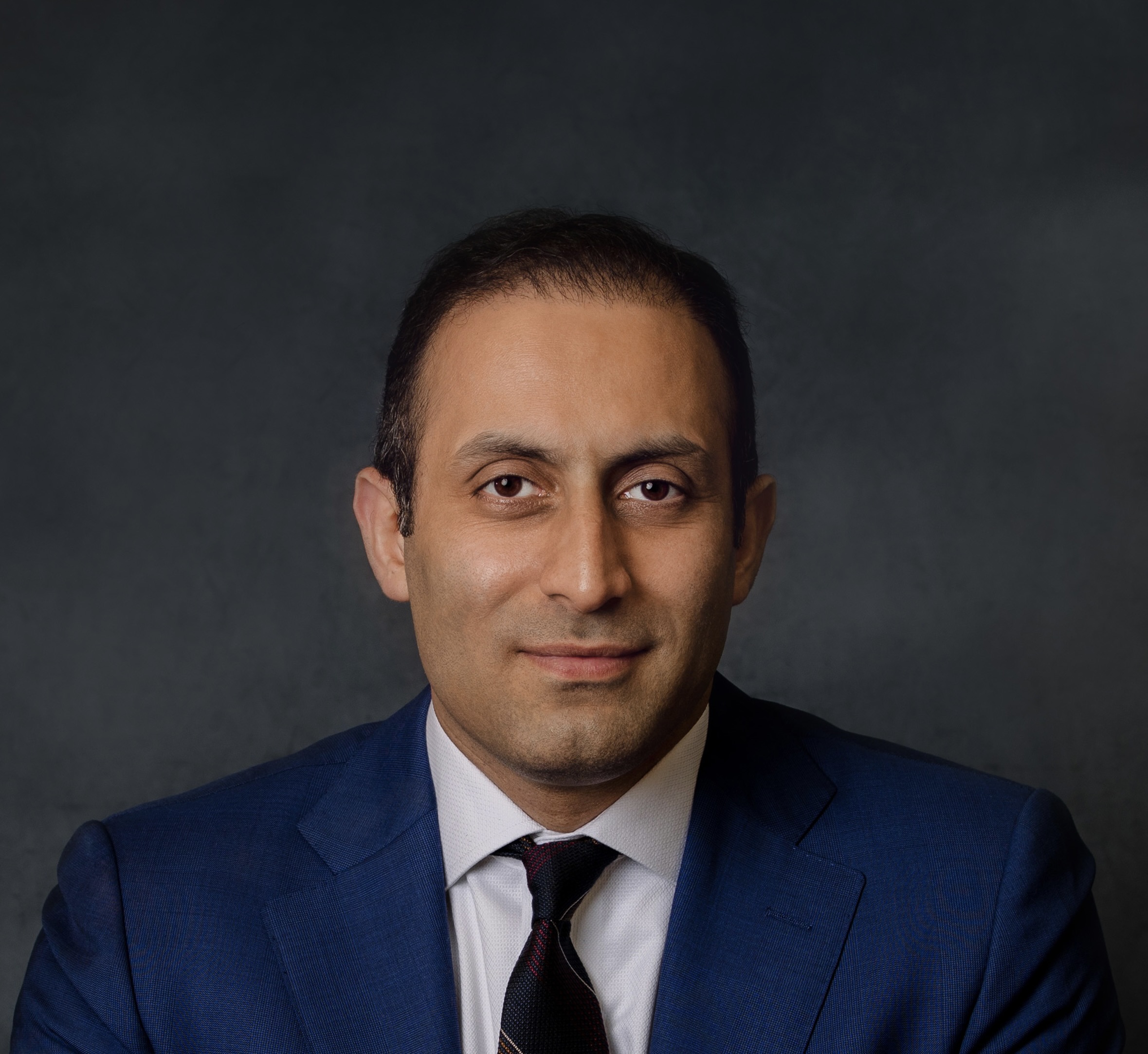

Founding Stories: Shiva Rallapalli of VerityXR Is Working to Transform Pain Management Through VR and AR Innovation
Digital therapeutics entrepreneur Shiva Rallapalli co-founded VerityXR to redefine chronic pain management and rehabilitation by merging VR/AR technology, neuroscience, and human-centered design to drive patient engagement and measurable recovery.
Chronic pain is one of healthcare’s most pervasive challenges, yet traditional rehabilitation often struggles to keep patients engaged long enough to experience meaningful recovery. Despite advancements in medicine, adherence rates remain low, outcomes plateau, and millions continue to suffer without scalable, motivating solutions that address both the physical and neurological dimensions of pain.
Shiva Rallapalli, a longtime healthcare technology leader turned digital therapeutics entrepreneur, recognized this gap. Drawing from a career spent modernizing clinical systems and inspired by insights from physicians, neuroscientists, and his own family’s legacy in medicine, he co-founded VerityXR, a company redefining how patients move, heal, and manage pain. By merging Virtual Reality (VR), Augmented Reality (AR), neuroscience, and human-centered design, Verity’s EnGaugeXR platform transforms rehabilitation into an immersive, measurable, and empowering experience.
We asked Shiva about his journey, the team behind VerityXR, and where he sees the future of immersive pain management headed.
How did you become interested in VR/AR for pain management?
SR: My journey into VR and AR for pain management started at the intersection of two worlds — technology and human healing. I’ve spent much of my career building digital systems to improve how care is delivered, but I’ve always been fascinated by the human side of medicine.
During my MBA, I met two classmates who changed the way I thought about healthcare — a pain management physician and a clinical neuroscience engineer. Our late-night conversations about the brain, chronic pain, and neuroplasticity opened my eyes to how much potential existed at the crossroads of science, empathy, and technology.
That’s when I began diving deeper into how immersive experiences could actually influence the brain’s perception of pain. The more I learned, the clearer it became that VR wasn’t just a tool for distraction — it could actively retrain the brain’s response to pain and help people recover function and confidence.
That realization was the spark that eventually led to Verity’s EnGaugeXR product — a platform built to restore movement, reduce suffering, and make rehabilitation something patients actually look forward to.
What inspired you to co-found a company?
SR: I come from a healthcare family; both of my parents were physicians. My mother was a gynecologist and my father a cardiologist. Growing up, our dinner table conversations revolved around patient stories, ethical dilemmas, and breakthroughs in medicine. I was profoundly inspired by their dedication to their profession and by the impact they had on their patients.
From an early age, I knew I wanted to emulate that impact, but I chose technology as my medium. I also realized that while my parents changed lives one patient at a time, technology could help millions at once. That idea stayed with me throughout my corporate career in healthcare, where I was always an “intrapreneur,” constantly trying to bring innovation into traditional systems.
During my MBA, I finally met the right people and found the right moment to turn that lifelong motivation into something tangible. Collaborating with a pain management physician and a clinical neuroscience engineer, we built a company that merges medicine, neuroscience, and technology — creating a new way to reduce pain, enhance recovery, and transform lives at scale.
That vision became VerityXR — born out of a deep respect for human care and a belief that empathy and innovation belong in the same sentence.
Tell us about your team: Who's on it, and how did you meet?
SR: VerityXR was built by a team that bridges medicine, neuroscience, and technology — people who share a common belief that healthcare innovation should be both scientifically rigorous and profoundly human.
I co-founded the company with Dr. Amish Patel and Professor Tim Denison, both of whom I met during my MBA at the University of Chicago, Booth School of Business. Amish is a double board-certified physician and bioengineer who previously co-founded and scaled one of the largest private pain practices in Chicago. He has spent his career on the front lines of pain management and brings a deep understanding of what patients and clinicians truly need.
Tim is a Professor of Engineering Science and Clinical Neurosciences at Oxford University and formerly served as Vice President of Research and Core Technology at Medtronic, where he led the development of several groundbreaking neuromodulation and chronic-pain products. His blend of academic insight and real-world device innovation gives VerityXR its scientific backbone.
Our Chief Architect & Engineer, Dr. Doug Nelson, brings more than 15 years of experience from Humana, Centene, and Merck, along with a remarkable entrepreneurial background. He founded Federated Software Group, later acquired by Boeing, where he built advanced command-and-control systems for the U.S. Air Force — expertise that now powers VerityXR’s precision-engineered digital-therapeutic platform. Funny enough, Doug was once my boss at Humana, and now we’re building VerityXR together!
As for me — I’ve spent over 15 years leading large-scale healthcare technology and analytics initiatives, most recently as Segment CIO and Vice President of Healthcare Technology at Humana. I’ve always believed in the power of technology to extend care beyond the clinic and into people’s lives, and VerityXR is where that belief becomes tangible.
Together, we’ve built a team that unites clinical depth, scientific innovation, and technical scale — committed to redefining how patients experience recovery through immersive digital therapeutics.
We envision a future where VR-based rehabilitation is as natural a part of clinical practice as physical therapy is today.
Where do you see the VR/AR for pain management industry headed in the future?
SR: Pain is everywhere — and yet, it’s one of the most misunderstood and under-treated challenges in healthcare. More than 100 million adults in the U.S. alone live with chronic pain, and the economic burden runs into hundreds of billions each year when you add up direct medical costs and lost productivity. But what’s even more troubling is that so much of this suffering is preventable.
During our early work at VerityXR, we kept seeing the same pattern repeat itself — patients weren’t adhering to their rehabilitation programs. Whether because of fatigue, boredom, pain, or anxiety, people simply stopped doing the exercises that were meant to help them heal. Studies show that as many as half of all patients don’t stick to their prescribed home rehab routines — and as a result, they plateau early, relapse, or never regain full function. That reality deeply shaped our thinking.
We wanted to make therapy something people actually look forward to. VR and AR gave us a way to do that — to make rehabilitation immersive, engaging, and measurable. These technologies are inherently non-pharmacological and non-interventional, which means they can deliver real relief and neuroplastic change without side effects or dependency. But what truly excites me is their ability to motivate — to turn repetition into play, progress into feedback, and therapy into an experience that rewards consistency.
I believe the future of pain management and rehabilitation will start in clinics and hospitals, where immersive therapeutics can be prescribed, monitored, and refined — but it won’t end there. It will naturally extend into people’s homes, giving patients the freedom to continue their recovery with the same level of personalization and support.
Over time, I see VR and AR becoming as common in healthcare as physical therapy or pain medication — but safer, smarter, and far more engaging. And VerityXR intends to be at the center of that transformation — helping patients move, heal, and live better through technology that feels less like treatment and more like empowerment.
What does success look like to VerityXR in the short term and long term?
SR: In the short term, success for us is seeing real change in the way patients move and feel. It’s watching someone complete a therapy session with less pain, greater confidence, and a smile that says, “I can do this again.” Every patient who rediscovers movement and every clinician who tells us that their sessions are more effective and engaging reminds us why we started VerityXR in the first place.
Our immediate goal is to prove measurable clinical impact in movement-based musculoskeletal rehabilitation — improving strength, range of motion, balance, and pain outcomes across diverse patient populations. We’re focused on validating how immersive, AI-powered, gamified therapy can help patients recover faster while making the process something they genuinely enjoy.
In the long term, success means building a new standard for musculoskeletal care — one that’s digital, data-driven, and deeply human. We envision a future where VR-based rehabilitation is as natural a part of clinical practice as physical therapy is today. The journey will start in clinics and hospitals, but eventually extend into patients’ homes, where people can continue their recovery, supported by intelligent feedback and real-time guidance.
When movement becomes immersive, measurable, and motivating — when therapy stops feeling like treatment and starts feeling like empowerment — that’s when we’ll know we’ve achieved success.
Find out more about VerityXR at verityxr.com/ . Are you a startup based in or looking to relocate to Kentucky? Keyhorse’s current quarterly investment cycle is open! Apply now .
Related
Ben Wolber of Illume Aims to Simplify Financial Modeling for the MedSpa Industry

Founding Stories: Grant Murray of Proximity Aims to Transform the Parking Experience