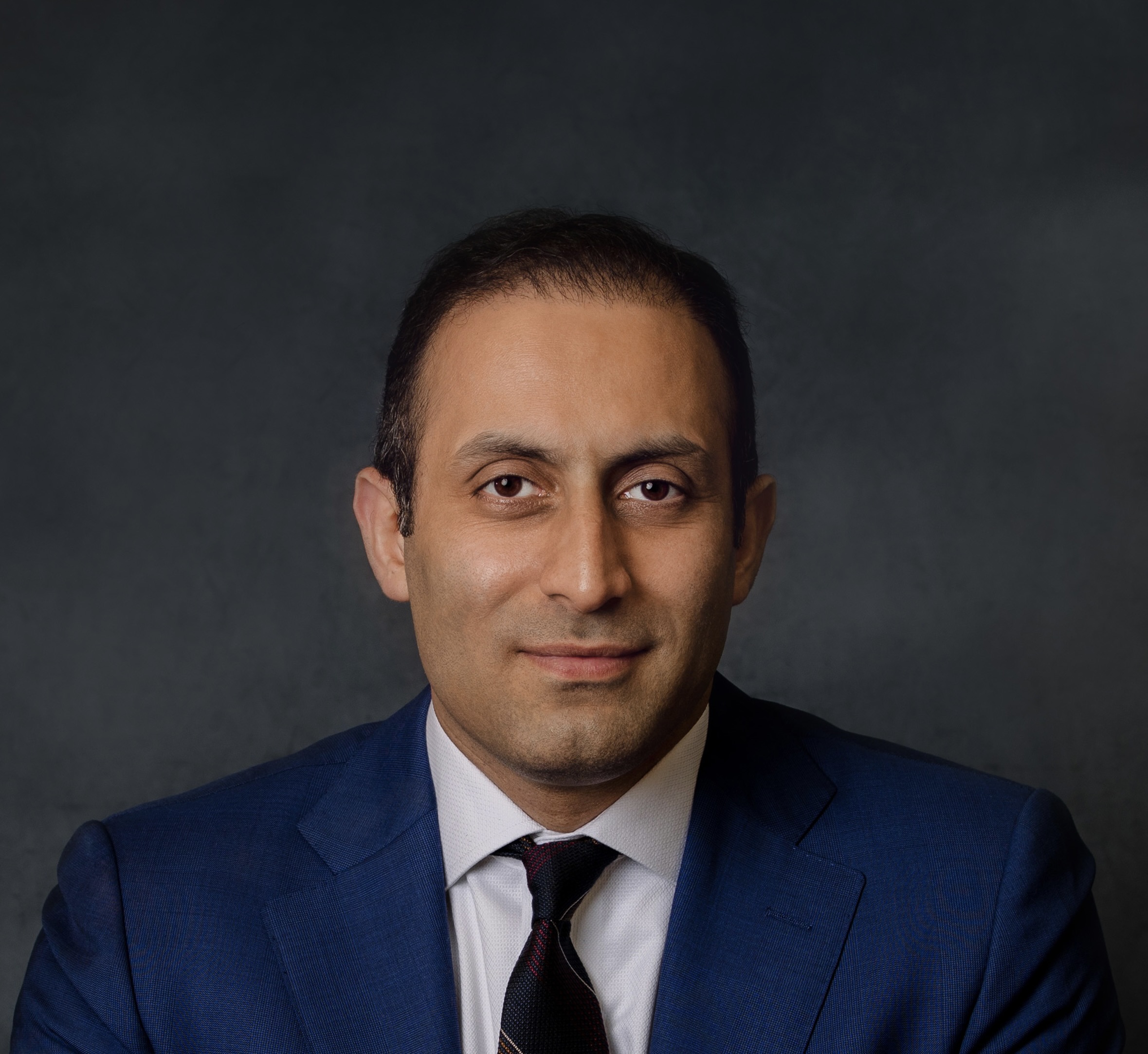

Founding Stories: Grant Murray of Proximity Aims to Transform the Parking Experience
Proximity Parking co-founder Grant Murray shares how they are transforming the outdated parking experience by leveraging parking transactions and real-world proximity to unlock new commerce opportunities for cities and local businesses.
Parking is one of those everyday experiences most people tolerate rather than enjoy. It is fragmented, outdated, and often overlooked by modern technology, despite sitting at the crossroads of consumers, cities, and local businesses. For Grant Murray, co-founder of Proximity Parking, that frustration became the spark for a much bigger idea.
What began as a personal pain point evolved into a platform designed to rethink how parking works, who it serves, and how it can create value far beyond the curb. By combining parking transactions with real-world proximity and consumer intent, Proximity Parking is reimagining the role parking plays in urban life and local commerce.
We sat down with Grant to talk about what drew him into parking technology, the gap he saw in the market, how Proximity Parking came together, and where he believes the future of the industry is headed.
How did you become interested in parking technology?
GM: Like most people, I was constantly frustrated by the parking experience. The technology felt outdated, fragmented, and behind the times, especially compared to how seamless other parts of daily life have become. That frustration turned into curiosity, and eventually into motivation to fix a problem that impacts millions of people every day.
What inspired you to co-found Proximity Parking?
GM: I founded Proximity after recognizing a persistent problem that affects consumers, cities, operators, and local businesses alike. Parking sits at the intersection of all three, yet no software had meaningfully addressed that relationship. In parallel, I noticed a major gap in the market: no platform was leveraging parking transactions and real-world proximity to help local businesses advertise to consumers at the exact moment and location where intent is highest. Proximity was built to solve both problems.
I noticed a major gap in the market: no platform was leveraging parking transactions and real-world proximity to help local businesses advertise to consumers at the exact moment and location where intent is highest.
Tell us about your team: Who's on it, and how did you meet?
GM: My co-founder and I met while working together at a previous startup he founded, where he hired me. We worked closely, developed strong trust, and saw firsthand how complementary our skill sets were. When I started Proximity, it was clear that bringing him on as a co-founder would significantly strengthen the company, so we decided to partner again.
Where do you see parking technology headed in the future?
GM: Parking isn’t going anywhere. People will continue to drive, cars will remain integral to our society, and cities and operators will continue to monetize parking assets. The next generation of winners in this space will be those who focus on the consumer experience, not just for the person parking, but for everyone connected to that parking asset, including surrounding businesses and municipalities. I see it as a very similar moment in technology to the taxi to Uber transition.
What does success look like to Proximity Parking in the short term and long term?
GM: In the short term, success means scaling from our first city to blanketing our first state. We are nearly there. From there, we plan to expand regionally and then nationally. Long term, success is proving the value of our differentiated platform, particularly our proximity-based commerce and data capabilities, at a regional scale and exporting that model to markets across the country.
Find out more about Proximity at proximityparking.com/ . Are you a startup based in or looking to relocate to Kentucky? Keyhorse’s current quarterly investment cycle is open! Apply now .
Related
Ben Wolber of Illume Aims to Simplify Financial Modeling for the MedSpa Industry
Founding Stories: Shiva Rallapalli of VerityXR Is Working to Transform Pain Management Through VR and AR Innovation