

Sectors
Kentucky’s natural advantage
Infrastructure, geographic proximity, customers, and workforce that can’t be replicated elsewhere.
Three air cargo hubs and a one-day drive to two-thirds of the US
Kentucky is the only state with three major air cargo hubs — UPS Worldport in Louisville, the DHL Americas hub, and Amazon’s $1.5B Air Global Hub — and Worldport alone moves 416,000 packages an hour across 155 miles of conveyor. Two-thirds of the US population sits within a one-day truck drive, which is why more than 1,300 logistics companies already employ about 84,000 people here. That density is the advantage: software built on top of it is tested against real freight volume from the first week. We are most interested in the intelligence layer sitting above Worldport — customs automation, freight pricing, trade compliance — and in the river, where barge-to-rail transloading and autonomous monitoring on the Ohio remain largely unbuilt.

6,000+ plants, 250,000+ workers and a veteran technical workforce
More than 6,000 manufacturing facilities employ over 250,000 workers here, with roughly $28B of capital investment announced in five years. Toyota Georgetown is Toyota’s largest assembly plant in the world, with 350+ suppliers around it; aerospace adds 100+ facilities and about $19B in exports. Fort Knox, Fort Campbell and Blue Grass Army Depot push roughly 5,000 technically trained veterans into the civilian workforce every year. That means a company can pilot on a live production floor and hire the people who ran it. We fund predictive maintenance, computer-vision quality control, robotics workflow integration and digital twin simulation proven on a real floor rather than in a lab — dual-use preferred on the defense side.

Humana, Atria and Waystar headquartered against a rural care gap
Humana, Atria Senior Living and Waystar are all headquartered in Louisville, with Atria alone managing 200+ communities and roughly 35,000 residents. By 2023 the state counted 806,757 residents aged 65 and over, while 43 of Kentucky’s 120 counties are primary-care shortage areas. The Louisville Healthcare CEO Council turns that into direct pilot access inside Humana, Norton Healthcare and BrightSpring, so a product meets payer and provider reality early instead of after the raise. We are looking for care infrastructure and the system of record — home health deployment, closed-loop pharmacy logistics, care labour matching at scale — plus the payer-provider trust layer: prior-auth automation and AI-native revenue cycle for post-acute care.
$10B+ of battery investment and the cheapest industrial power
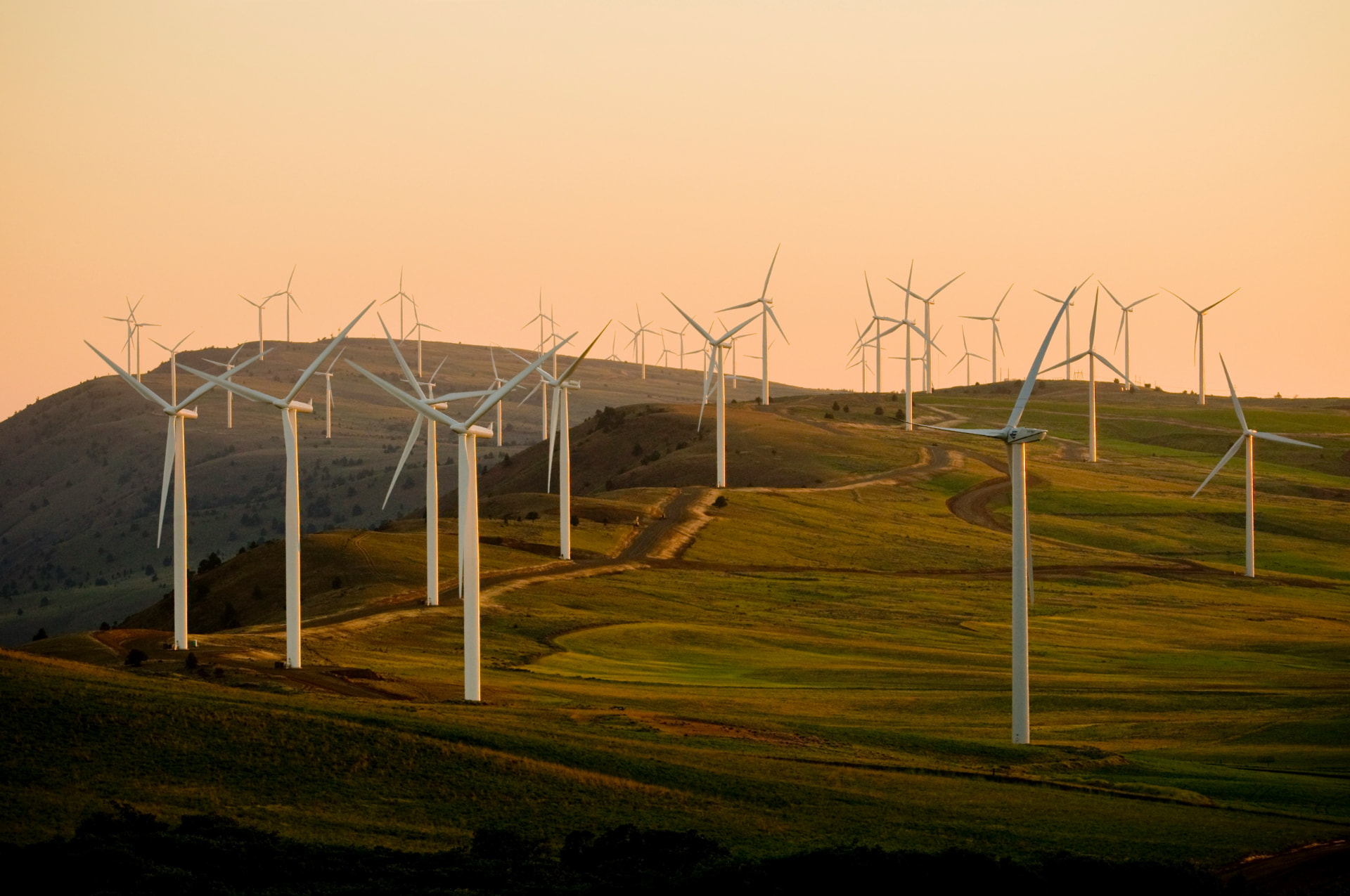
More than $10B has been committed to EV battery manufacturing here, including the $5.8B BlueOval SK project, and industrial energy rates are among the lowest in the country. That is why the state hosts 180+ aluminium and copper facilities employing over 21,000 people, holds the largest primary aluminium capacity in the United States, and has drawn roughly $2.7B of new metals investment since 2017. Cheap power next to heavy industry means a product can be deployed at industrial scale rather than demonstrated at pilot scale. We fund grid-scale battery intelligence for data centre and utility applications, aluminium and critical materials process optimisation, and industrial energy procurement AI.

69,425 farms, the bourbon supply chain and the QSR capital
Kentucky has 69,425 farms across roughly half of its 25.8 million acres and is the largest beef-cattle producer east of the Mississippi. The bourbon supply chain adds about $10.6B in output with 17.1 million barrels ageing in the state, the equine economy another $2.99B and 40,665 jobs, and Louisville is the global headquarters of quick service through Yum! Brands and RSCS. A founder here sits beside the buyers, the herds and the barrels rather than pitching them remotely. We are looking for QSR supply chain products built for the world’s largest restaurant networks, limestone-water beverage brands, and agri-wellness verticals that turn legacy agriculture into higher-margin categories.
Funded
Every sector we've backed.
We concentrate on sectors with a natural advantage to succeed in our region but still back a breadth of sectors across our expansive portfolio.